

Study on Methods of Determining an Airport’s Catchment Area

The article will outline a method of determining an airport’s catchment area on the basis of passengers’ airport choice behavior. In our opinion, the most important factor influencing a passengers’ airport choice is the total trip cost taking into account the time cost. The article will clarify the concept of the total trip cost taking into account the time cost and provide a method to determine this factor. Determining the exact total trip cost taking into account the time cost is the basis for determining the airport’s catchment area and this is also the main content of the method described in this article. This method will be applied to determine the catchment area of Noi Bai International Airport.
Author: MSc. Bui Dang Trinh; Prof. DSc. Jacek Skorupski
Warsaw University of Technology, Faculty of Transport
ul. Koszykowa 75, 00-662 Warszawa, Poland
In fact, there are many experimental as well as theoretical studies on the factors influencing passengers’ airport choice. However, there are not many studies on determining which be an attractive object for a certain airport, that is, there are not many studies on determining the airport’s catchment area.The airport’s catchment area is a geographic area around the airport where it can reasonably expect to draw commercial air service customers. The airport customers are those who want to use the airport to make their trips and can afford to pay for their trips. It should be noted that the customers’ affordability should be taken into account in the future, not just at the present time.
The airport’s catchment area is still determined on the basis of travel time from the departure point to the airport. Accordingly, the airport’s catchment area is an area around the airport, in which travel time from the farthest point to the airport is approximately 2 hours. This method is very simple and easy to apply. However, the biggest disadvantage of this method is that it ignores the factors influencing the passengers’ airport choice behavior. According to this method, the size of the airport’s catchment area is always fixed. However, when a certain factor influencing the passengers’ airport choice behavior changes, the size of the airport’s catchment area will change.
In order to overcome such shortcomings, the article will introduce a method of determining the airport’s catchment area on the basis of the passengers’ airport choice behavior. This method shows that the size of the airport’s catchment area will change when there is a change in a factor influencing the passengers’ airport choice behavior.
Contents of this article are divided into five sections. After the introduction, the 2nd section will introduce some literature related to determining the size of an airport’s catchment area in the world. The 3rd section will be about the method of determining the airport’s catchment area from our point of view, the 4th section will present the results of applying our method at Noi Bai International Airport and the last section will point out some comments on the above method.
Readers are invited to view the full content of the scientific article here





Xem nhiều
Mới nhất







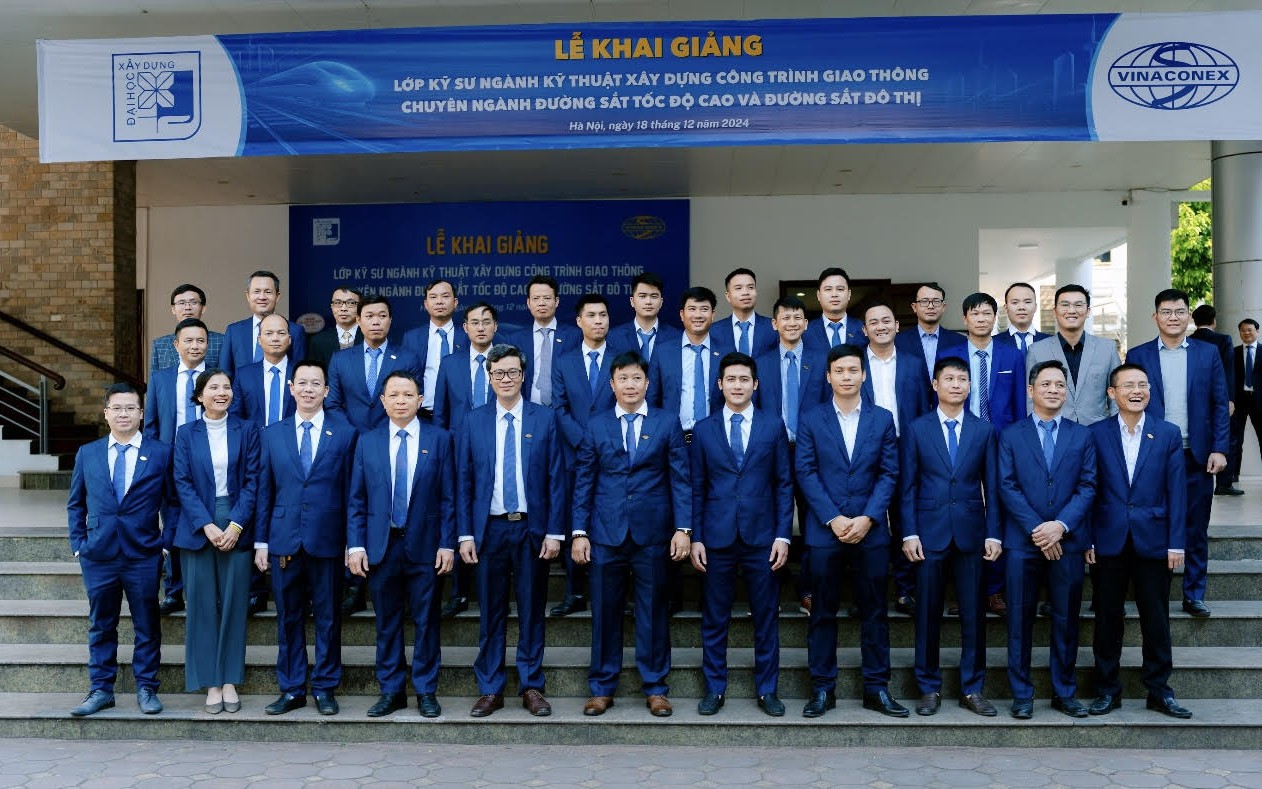
Phát triển nguồn nhân lực cho xây dựng, vận hành đường sắt tốc độ cao Bắc - Nam
Đường sắt tốc độ cao (ĐSTĐC) Bắc - Nam là dự án trọng điểm quốc gia, có ý nghĩa hết sức quan trọng, góp phần phát triển kinh tế - xã hội, công nghiệp hóa, hiện đại hóa đất nước. Trong đó, việc tiếp nhận chuyển giao công nghệ, phát triển công nghiệp và đào tạo nguồn nhân lực là một trong những yếu tố quan trọng đảm bảo quá trình đầu tư, vận hành, khai thác hiệu quả và từng bước đưa đường sắt tốc độ cao trở thành động lực phát triển của nền kinh tế.
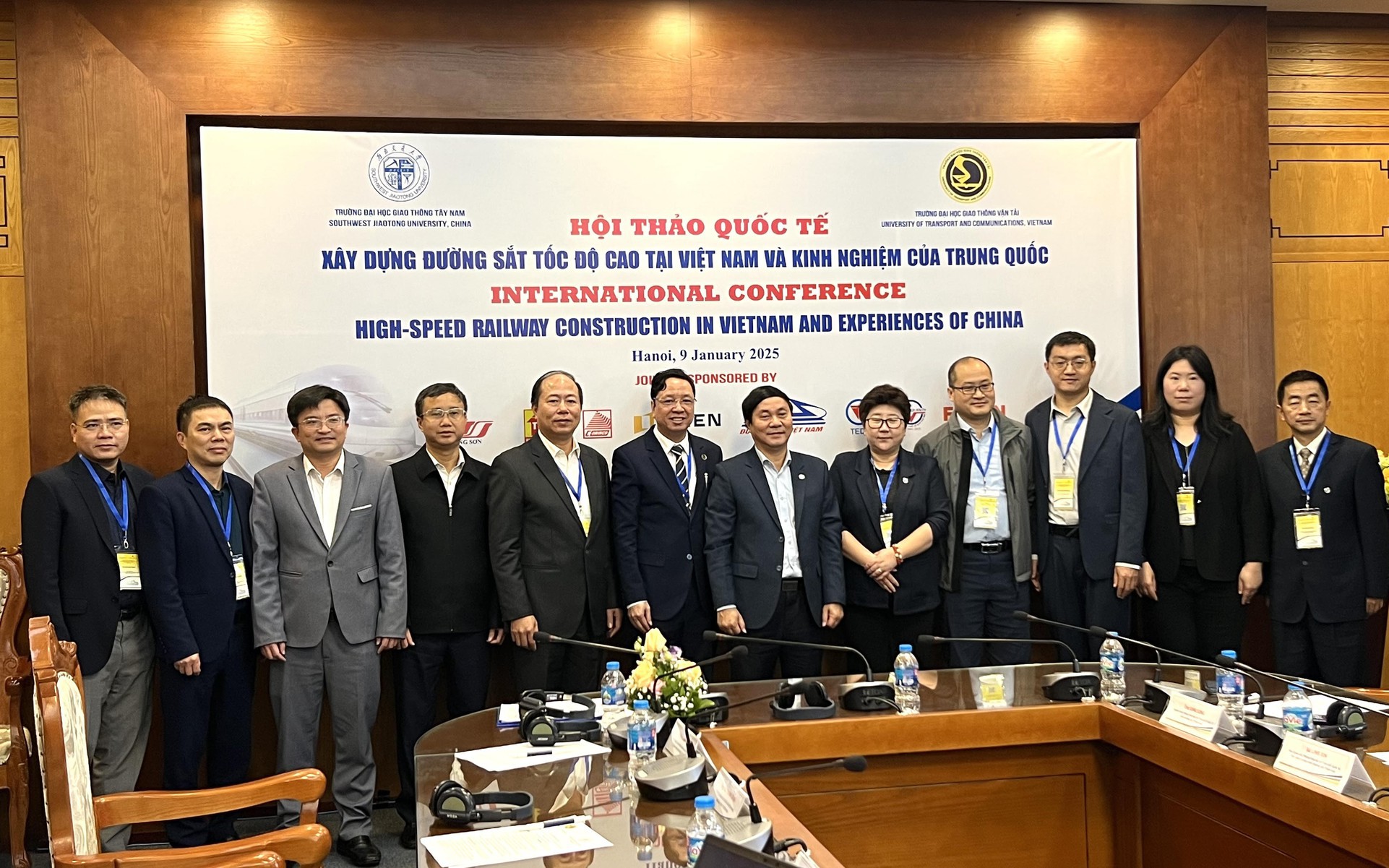
Hội thảo quốc tế Xây dựng đường sắt tốc độ cao ở Việt Nam và Kinh nghiệm từ Trung Quốc
Ngày 9/1 tại Hà Nội, Trường Đại học Giao thông vận tải (GTVT) phối hợp Trường Đại học Giao thông Tây Nam (Trung Quốc) tổ chức Hội thảo quốc tế Xây dựng đường sắt tốc độ cao tại Việt Nam và Kinh nghiệm của Trung Quốc.
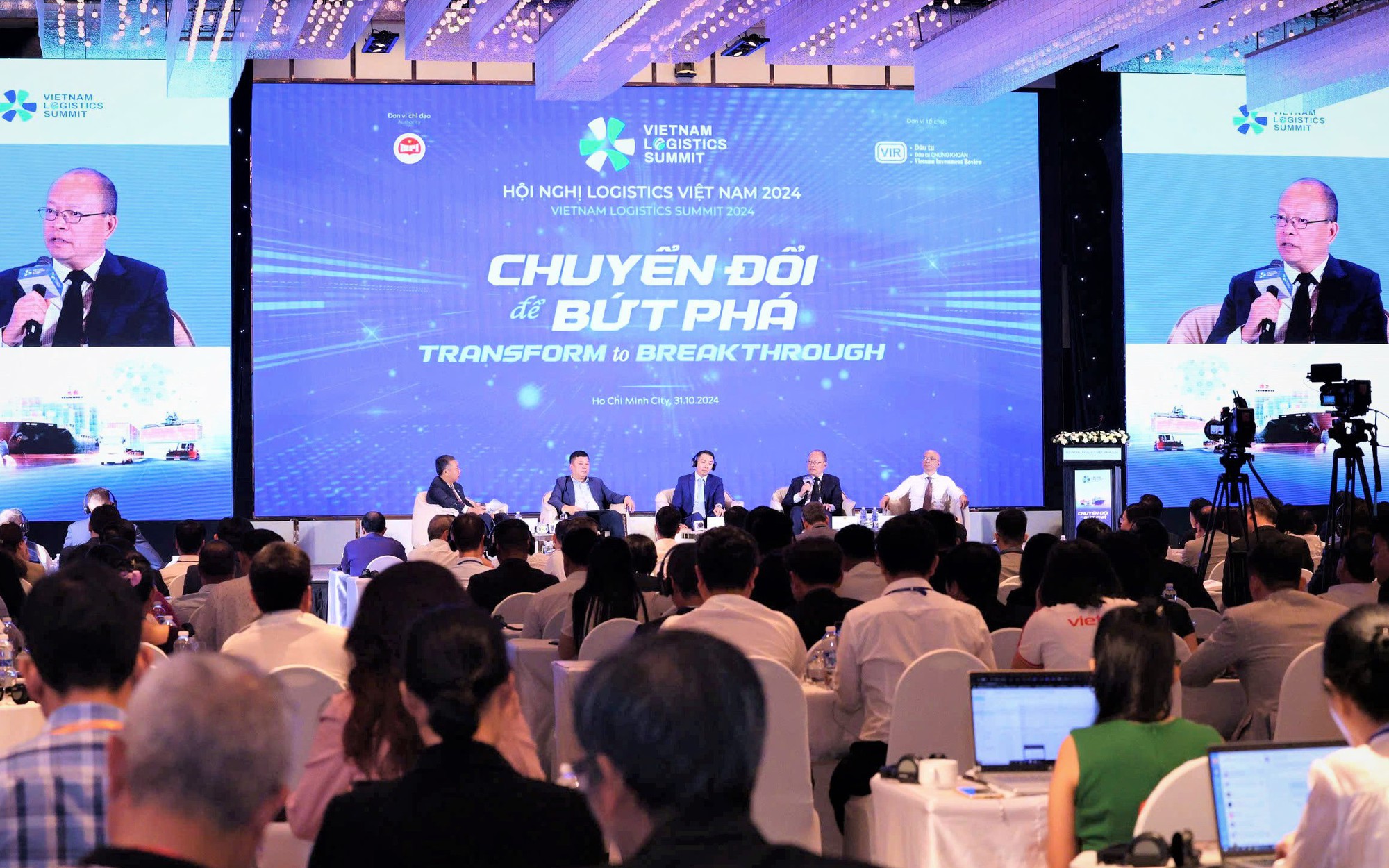
Phát triển đường thuỷ nội địa - Giải pháp giảm bền vững chi phí logistics
Tại Việt Nam, chi phí logistics trung bình ở mức tương đương 16,8 - 17% GDP và vẫn còn ở mức khá cao so với mức bình quân chung của thế giới (khoảng 10,6%). Với tốc độ tăng lượng hàng hóa nêu trên, nếu cơ sở hạ tầng logistics và tính kết nối giữa các phương thức vận tải không được cải thiện sẽ không thể đáp ứng được nhu cầu vận tải, tình trạng tắc nghẽn các tuyến đường dẫn vào cảng biển chính sẽ ngày càng nghiêm trọng, khi đó chi phí logistics có thể tăng cao hơn so với thời điểm hiện tại, nếu không có giải pháp vận tải lâu dài, bền vững.

Tiêu chuẩn thiết bị an toàn cho trẻ em trên ô tô, kinh nghiệm thế giới và hướng áp dụng ở Việt Nam
Tiêu chuẩn kỹ thuật số 44 (UN Regulation No.44 - UN R44) và Tiêu chuẩn kỹ thuật số 129 (UN Regulation No.129 - UN R129) do Ủy ban Kinh tế Liên hợp quốc về châu Âu (UNECE) ban hành cho hệ thống thiết bị an toàn của trẻ em trên xe ô tô. Hai tiêu chuẩn này được trình bày và so sánh với nhau để làm rõ tính ứng dụng thực tế vào Việt Nam. Bên cạnh đó, tình hình áp dụng hai tiêu chuẩn này trên thế giới và cụ thể tại Malaysia được trình bày chi tiết. Hiện tại, Việt Nam nên áp dụng đồng thời cả hai tiêu chuẩn để khuyến khích người đi ô tô sử dụng ghế trẻ em theo khả năng tài chính và nhu cầu an toàn; đồng thời nên có định hướng dẫn chuyển hoàn toàn sang UN R129.
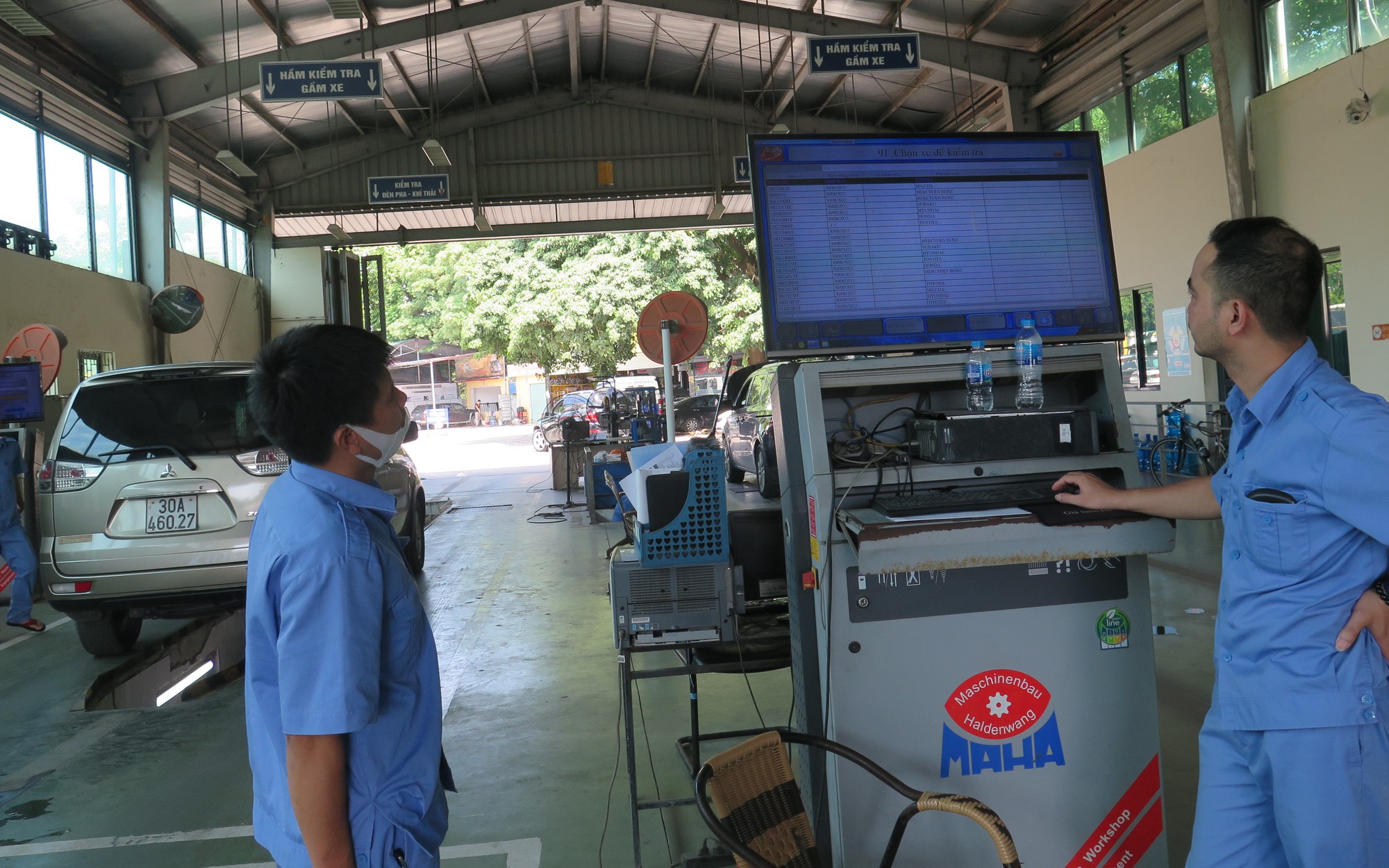
5 thông tư mới lĩnh vực đăng kiểm cùng có hiệu lực từ 1/1/2025
Theo Cục Đăng kiểm VN, 5 thông tư mới về lĩnh vực đăng kiểm cùng có hiệu lực từ 1/1/2025, nhằm đồng bộ hóa về thời gian với Luật Trật tự, ATGT đường bộ.
Đề xuất thiết lập tuyến vận tải thủy xuyên suốt 4 nước dọc sông Mê Kông
6 quốc gia dọc tuyến sông Lan Thương – Mê Kông đang hướng đến xây dựng, áp dụng các quy định chung về giao thông thủy trên tuyến sông này; tiến tới thiết lập mạng lưới vận tải thủy xuyên suốt 4 nước.
Bình luận
Thông báo
Bạn đã gửi thành công.